

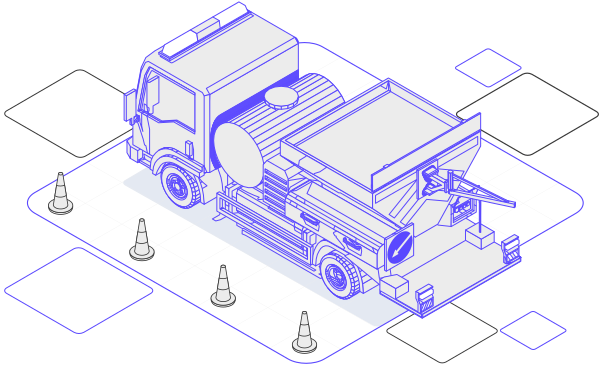
Customized solutions engineered to deter traffic
Protect crews by enabling your work zone to warn approaching motorists to slow down and move over
DELIVERING ALERTS TO MILLIONS OF MOTORISTS WORLDWIDE











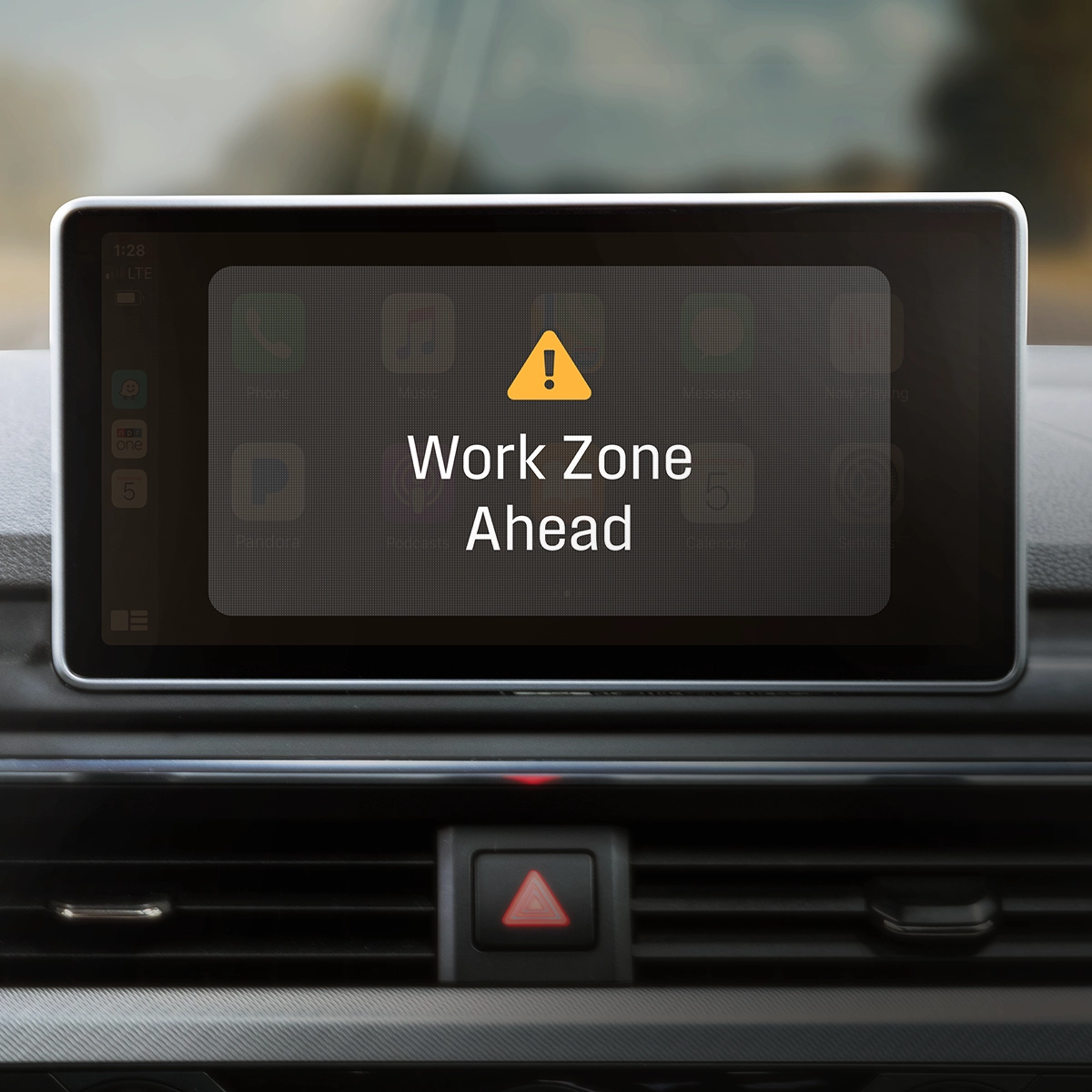
Digital alerting
Reach drivers before they reach you
Reduce struck-by risk with earlier driver awareness. Tailor work zone solutions to optimize safety utilizing vehicles, assets, lane closures, and infrastructure
- In-dash alerts in compatible consumer and commercial vehicles
- Mobile alerts in leading navigation apps such as Waze
- Up to 30 seconds of advance driver warning
- Built to reduce collisions, protect crews, and keep scenes safe

Connected Safety at Scale: Year in Review 2025
2025 demonstrated that digital alerts are influencing driver behavior, preventing collisions, reducing overall risk in the roadway, and saving lives.

RFPs; Safety Cloud one-stop shop
- Safety Cloud is the trusted standard in advanced digital alerting to enhance driver compliance with move over and work zone awareness laws
- Designed for fleets and crews of all sizes, from local contractors to state DOTs
- Built-in reporting tools to support permitting, bids, inspections, and audits
Safety Cloud integrates seamlessly with leading preemption providers

Connect and protect
Equip Safety Cloud on any vehicle
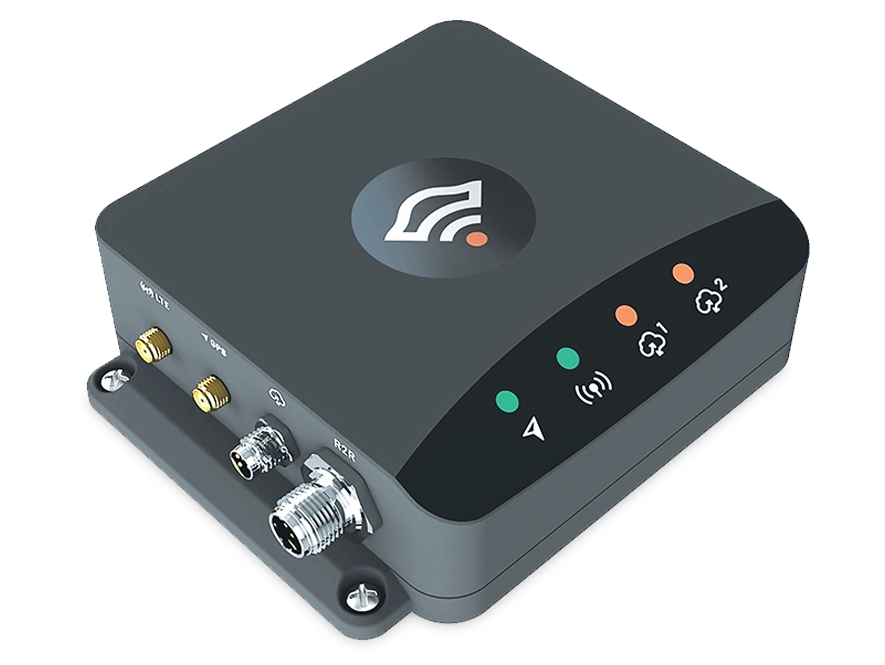
HA-7 Transponder
The HA-7 wires to your vehicle’s emergency lights and performs entirely on its own with no user interaction necessary. Installation is typically 30 minutes or less, minimizing downtime for your fleet. No additional data plans required.

HA-Direct
Activate Safety Cloud service with your existing telematics or fleet GPS solution.

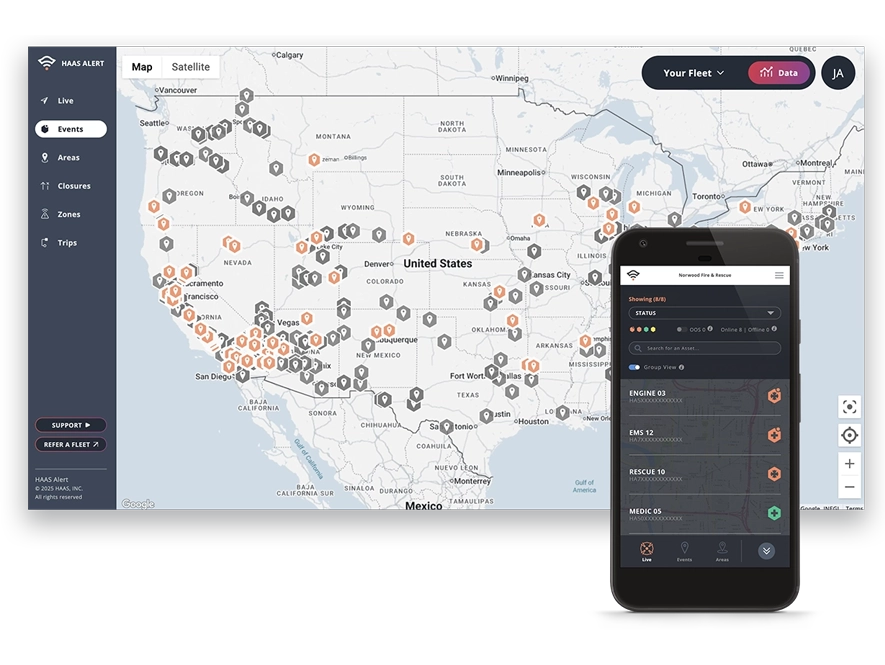
Real-time awareness for command and crews
Every Safety Cloud-connected agency gets access to a powerful, mobile-friendly dashboard that brings visibility and intelligence to your fleet.
- See real-time locations and alerting status for every equipped unit
- View incident history, trip history, response times, and time on-scene
- Create alerting exclusion zones, lane closures, and more
Trusted by road workers nationwide
Make your work zones safer and smarter
Keep your crews protected and your projects on track. Let us show you how Safety Cloud fits into your operation.
FAQs

No. To ensure safety and ease of use, Safety Cloud is fully automated. The system is wired to the vehicle’s warning light bar or master switch. As soon as an emergency responder or worker activates their warning lights, Safety Cloud automatically begins broadcasting digital alerts to nearby motorists. When the lights are turned off, the digital alerting stops.
Fleets can activate Safety Cloud through three primary methods, depending on their existing setup:
- Telematics Integration: If a fleet already uses platforms like Geotab, Samsara, or Ericsson, Safety Cloud can often be activated via software integration without new hardware.
- HA-7 Transponder: For older vehicles or those without compatible telematics, a proprietary transponder can be sold.
- OEM Pre-Install: Some manufacturers, such as Pierce Manufacturing, pre-install Safety Cloud as a standard feature on new fire apparatus.
Safety Cloud® is a collision prevention service that sends real-time digital alerts to drivers to warn them of nearby emergency vehicles and roadway hazards. Unlike traditional lights and sirens, which rely on line-of-sight and sound, Safety Cloud uses vehicle-to-everything (V2X) technology to deliver advanced warnings directly to a driver’s navigation app or vehicle dashboard. This gives motorists up to 30 seconds of extra time to slow down and move over, reducing the risk of collisions by up to 90%.
Drivers do not need to download a specific "HAAS Alert" app to receive notifications. Instead, alerts are broadcast directly to the platforms they already use. Currently, Safety Cloud alerts appear on:
- Mobile Apps: Popular Navigation Apps including Waze
- In-Vehicle Infotainment: Compatible vehicles from Stellantis (2018+ Jeep, Dodge, RAM, Chrysler), and Volkswgen
Safety Cloud was developed for all roadside workers, including:
- Emergency Responders: Fire apparatus, ambulances, and police cruisers.
- Essential Fleets: Tow trucks, utility vehicles, waste management trucks, school buses, and snowplows
- Work Zones: Construction vehicles and arrow boards.
